Article
Heatwave summer reveals Europe’s food system vulnerabilities
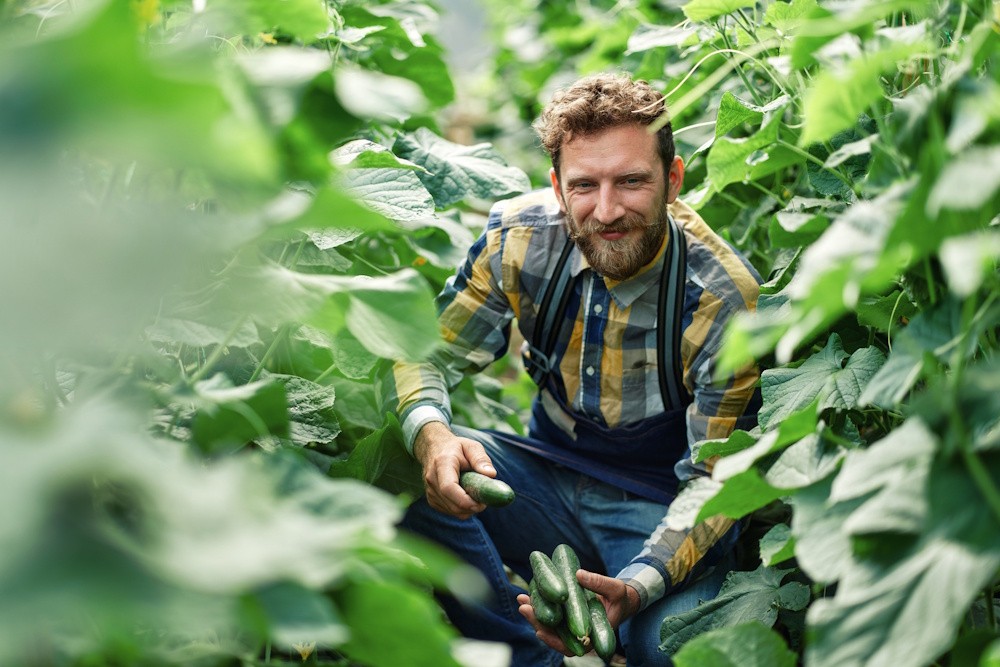
For most of the year, a shortage of cucumbers would barely register as news. This week, however, Sainsbury’s issued a formal notice about one, as heat in Spain and Morocco, Britain’s main suppliers, caused plants to abort their flowers before fruiting. Britain grows only a fifth of the cucumbers it eats, and with the Netherlands now the sole exporting alternative and pricing accordingly, some retailers chose empty shelves over paying the premium.
The shortage itself will pass within weeks. But it arrives as the first retail-level symptom of a summer economists have been warning about since spring, an unusually strong El Niño combined with disruption from the war in Iran, expected to push global food prices up sharply into 2028. Tomatoes look likely to follow, with French yields down by roughly half and Britain still importing most of what it eats. Carrots and onions may follow in autumn. Nor is this a purely British problem: the same heat that emptied British shelves is straining growers across Spain, Morocco and France too, and southern Europe’s producers are running short of options of their own.
The more interesting question is what happens next, and here Britain and its European neighbours face a shared set of choices. Industry figures have already moved past blaming the weather and towards naming a structural problem: growing conditions across much of Europe are shifting faster than farming infrastructure is adapting to them. That gap, and the technology that could close it, should be commanding more mainstream media attention than it currently does.
Fixing the infrastructure
Start with water. Northern European farmers have long managed without the reservoirs and irrigation networks that growers further south rely on, because they rarely needed them. That calculus is changing as heatwaves creep further north, while southern Europe’s own irrigation infrastructure is being stretched by more frequent, more intense heat. On-farm storage, precision irrigation and reformed water abstraction rules are now being discussed as practical fixes rather than distant infrastructure projects, a real opening for companies building metering, monitoring and storage technology across the continent.
Then there is where food is grown at all. Controlled-environment agriculture, greenhouses and vertical farms that grow crops indoors under managed conditions, offers a direct answer to import dependency, wherever in Europe that dependency sits. Sainsbury’s ten-year deal to expand production at Thanet Earth, Britain’s largest glasshouse, will take its domestically grown cucumber share from zero to 60% this winter. That is a rare case of a retailer moving before a crisis fully bites, and it points to a wider opportunity for companies developing energy-efficient, high-yield indoor growing systems across Europe, particularly for crops like tomatoes and peppers that move across borders in large volumes whenever a heatwave disrupts one region’s harvest.
Fixing the biology
Crop science offers a third route in, arguably the most fundamental. The cucumber’s problem this summer was strikingly specific: flowers aborting before they could fruit once temperatures crossed a threshold the plant simply wasn’t bred to tolerate. Gene editing offers a faster route to fixing exactly that kind of narrow, identifiable vulnerability than conventional breeding ever could. Where traditional plant breeding can take a decade or more to introduce a single new trait, tools that edit a plant’s existing genes directly, rather than introducing genes from elsewhere, can in principle deliver heat-tolerant flowering, drought resilience or disease resistance in a fraction of that time.
Britain’s Precision Breeding Act already gives it a regulatory head start over the EU, where equivalent rules remain stuck in negotiation. The same underlying science extends well beyond flowering thresholds: to drought tolerance more broadly, to resistance against the pests and diseases that spread more easily in warmer, wetter conditions, and to reducing the fragility that comes from relying on a narrow genetic stock optimised for a climate that no longer holds as reliably as it once did, whether the crop in question is grown in Kent, Andalusia or the Netherlands.
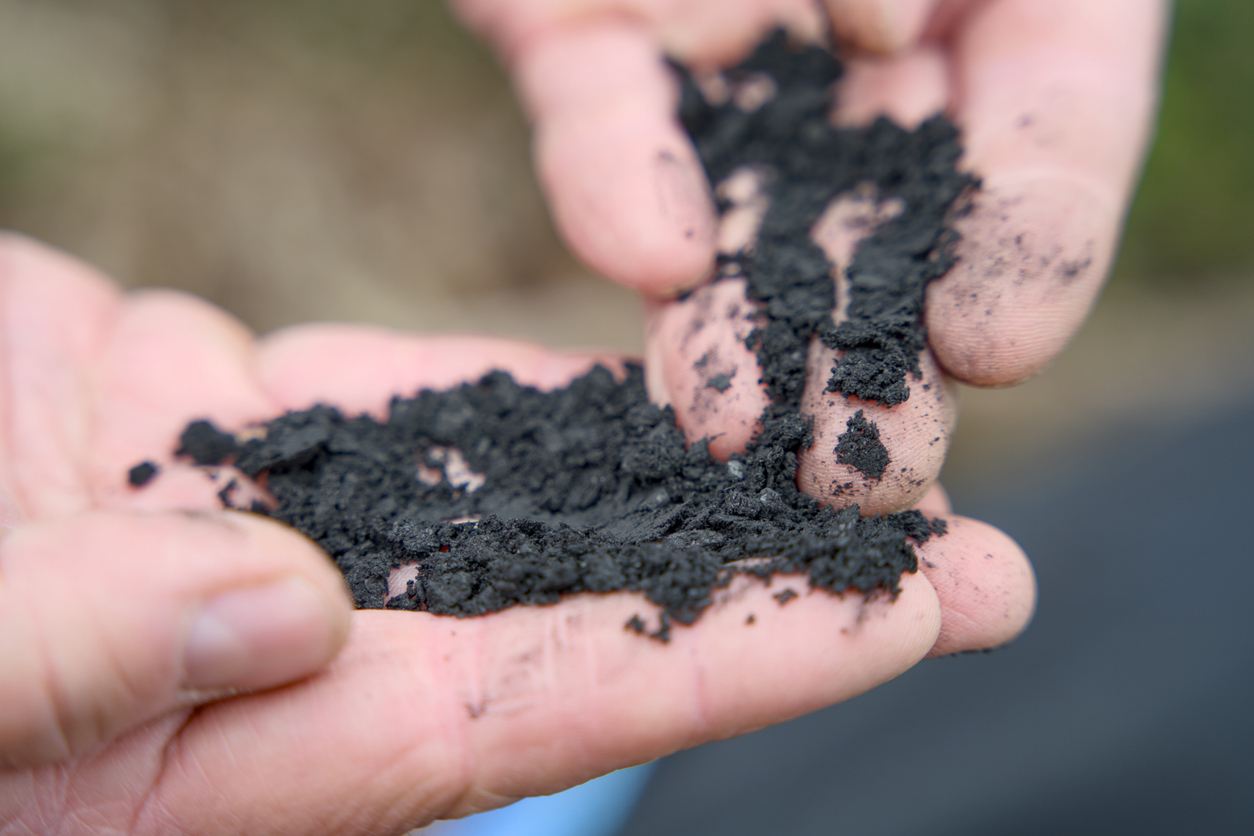
Finally, but no less important, soil health and biological inputs matter more than they are usually given credit for. Crops grown in healthier, more biologically active soil generally cope better with heat and water stress, and reducing dependence on synthetic, fossil-fuel-derived fertilisers cuts a second source of cost volatility at the same time. We have already seen shortages of fertilizer as a result of the Iran war compound climate effects.
None of these four routes solves the problem alone. Together, they represent the difference between a food system that absorbs a bad summer and one that produces a fresh crisis, and a fresh set of empty shelves, every time a heatwave arrives. Britain has just had a small, timely reminder of which kind of system it currently has. The cucumbers will hopefully be back within weeks. The technology and investment needed to stop the next shortage, in the UK and across Europe, will take rather longer, and the companies innovating in this space should take full advantage
If you’re an agri-tech innovator looking to lead this debate, we’d love to use our expertise and media relationships to help you. Please get in touch at ivana [dot] farthing [at] diffusionpr.com