Article
B2B Tech Trends to Watch: Diffusion PR on Hospitality, Retail and Urban Mobility
- Drawing on industry conferences attended in 2026, Diffusion PR’s B2B technology perspective is that the strongest stories connect innovation to practical benefits
- Hospitality technology: at the National Restaurant Association Show, Diffusion explored how robotics and connected systems are improving operations
- Retail technology: AI shopping tools illustrate the shift toward agentic commerce, alongside connected customer data that can improve shopping experiences
- Urban mobility: Innovations span autonomous vehicles, electric hydrofoil ferries and transit data tools – and Diffusion’s 2025 Urban Mobility Report emphasizes the importance of communicating affordability and accessibility
So far in 2026, we have attended several tradeshows and conferences in a variety of industries. From retail and hospitality tech to mobility and the future of cities to emerging tech across industries in the forms of AI and robotics; all of these conferences showcased the best in emerging technologies, and have been full-day deep dives into where these industries are headed and the tech trends we’re excited to see grow.
As B2B and technology PR experts, we couldn’t help but notice the most compelling stories demonstrated the meaningful impact these tools had on making businesses better or the lives of everyday people easier. For B2B tech brands, that means the race to communicate real-world impact has already begun.
Using technology for smarter hospitality decisions
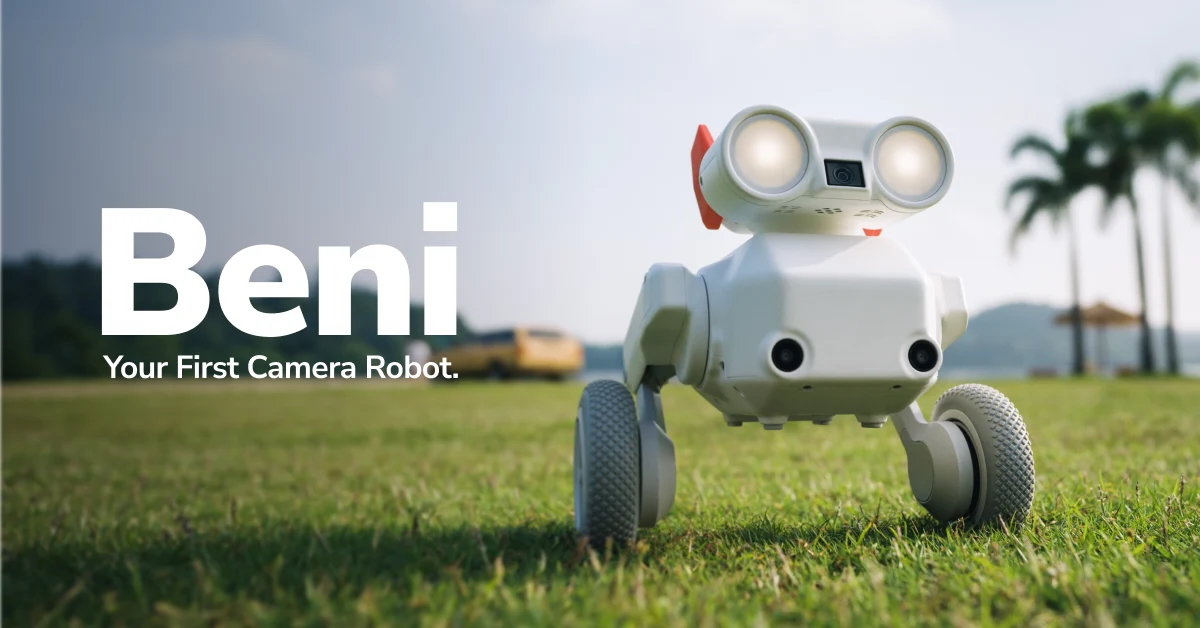
Now let’s talk about hospitality tech specifically. There is so much chatter about robotics in hospitality and restaurants. We spent time at the 2026 National Restaurant Association Show in Chicago, and there were indeed more robots than we could count!
Adding technology to the back of house is one piece of the future of hospitality. A major point of focus lies in driving operational changes and improving efficiencies across the entire operation. For example, connecting OpenTable to your inventory system will help anticipate demand and inventory purchasing decisions, but it shouldn’t stop there. That inventory system should also connect to the POS for a real-time view of which menu items are selling to make decisions, and so on. Companies like SoundHound AI and Richtech Robotics are partnering together to bring interactive, voice-enabled robotic systems into hospitality, combining conversational AI and automation to create operational efficiencies and smarter decisions across the board.
The industry is realizing how to connect each piece of the business to create an intelligent operation, and connected technology can make that happen.
Agentic commerce is transforming retail technology
Take retail technology, for example. According to Retail Dive, 67% of shoppers have used AI tools like Gemini, Perplexity and ChatGPT to manage their purchases in the last three months. For Gen Z consumers, that share rises to 80%, the survey found. AI is moving beyond just recommendations to “agentic commerce,” shifting how brands are using technology to connect with customers.
To create a more connected and seamless experience for customers, leveraging data to connect every customer touchpoint to (finally) bring the omni-channel dream to reality.
The future of mobility is more than autonomous vehicles
Enough about robots. What about autonomous cars or even electric planes?? Ahead of CES last year, a CNET reporter who has spent nearly 20 years covering autos at CES made the prediction that autonomous cars were closer than ever, and judging by how frequently our LA team loves to roll up in a Waymo that just may be the case.
However, urban mobility issues won’t be solved by autonomous driving alone. I was in Vegas earlier this year for a family vacation. While my kids loved seeing the Zoox driving down The Strip, it was still stuck in traffic just like a regular car.
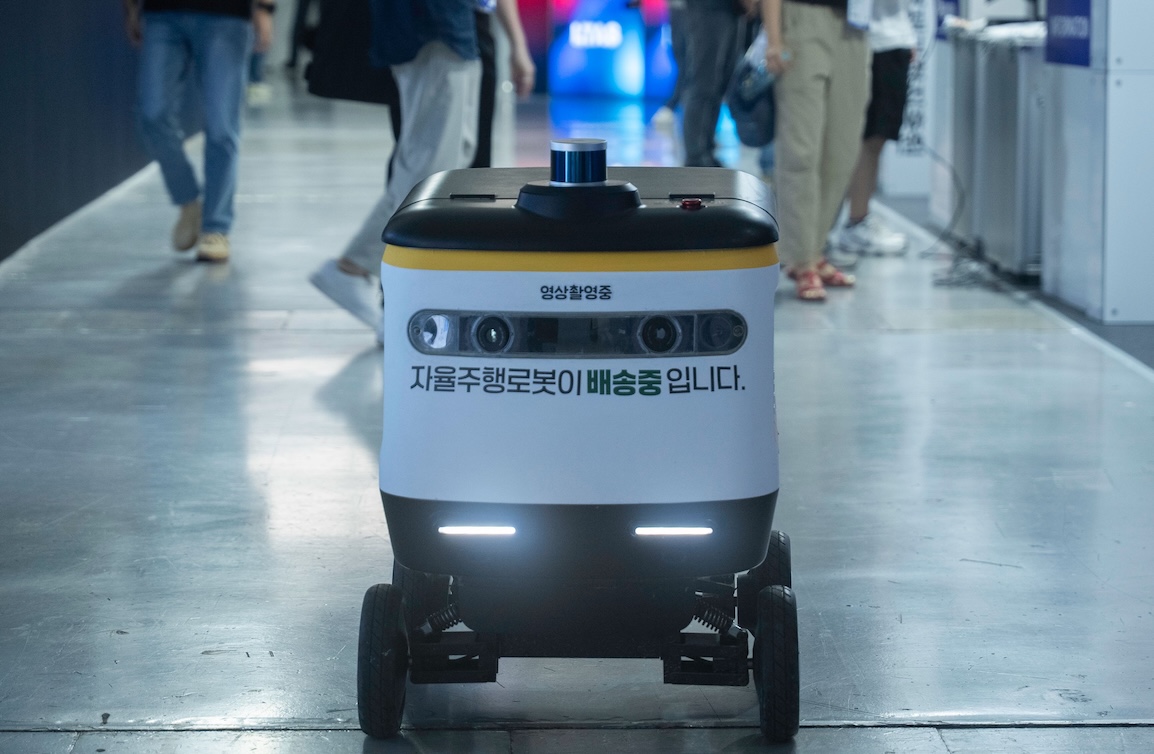
Similarly the air taxi options in LA look cool for the upcoming Olympics, but we need to continue expanding passenger options for everyday use. That answer may lie on the water, with electric hydrofoil ferries like those from Artemis Technologies and Candela. And, in reality, there is an entire B2B tech ecosystem that is popping up to support this transformation. Companies like Yoshi Mobility are providing AI live-video inspections for transportation networks at companies like Uber and Turo; companies like Swiftly are helping 200+ transit agencies in 10 countries rely on its data to improve service and the rider experience; companies like Metropolis are using artificial intelligence to make real-world physical spaces responsive.
But how can companies ensure their innovations resonate? Diffusion’s 2025 Urban Mobility Report found that affordability and accessibility were some of the most important factors to consumers for improvement. That reinforces our approach to B2B technology PR at Diffusion: start with a problem people care about, show how the innovation solves it and back the story with evidence of its impact. Whether we’re talking about restaurant robots, AI shopping tools or electric ferries, connecting innovation to everyday needs helps people understand why it matters.
We hope to continue to see a focus on the technology that will impact millions, better connecting suburbs and cities in ways that rethink our car dependency to fully realize the future of urban mobility.
What technology trends do you think are going to be all the hype in 2027?
Discover how Diffusion PR helps B2B and technology brands build visibility and turn complex innovations into compelling stories on our B2B & Technology page.
Diffusion by the numbers:
- 18+ years building brands through integrated PR and communications
- 60+ industry awards in the last five years
- Recognized by PRovoke Media among the 100 Best Agencies in the U.S.
- Recognized by PRovoke Media as the Best Boutique Agency to Work For in 2026